At Toco Warranty, Tranell and I were Talent Development Managers and contemporaries. We were responsible for creating job postings, interviewing, and hiring employees in California and Colorado, respectively.
Toco valued equity, diversity, and inclusion. The highest paid people were BIPOC and both the Los Angeles and Denver offices had employee populations that were more diverse than their geographic regions’ diversity.
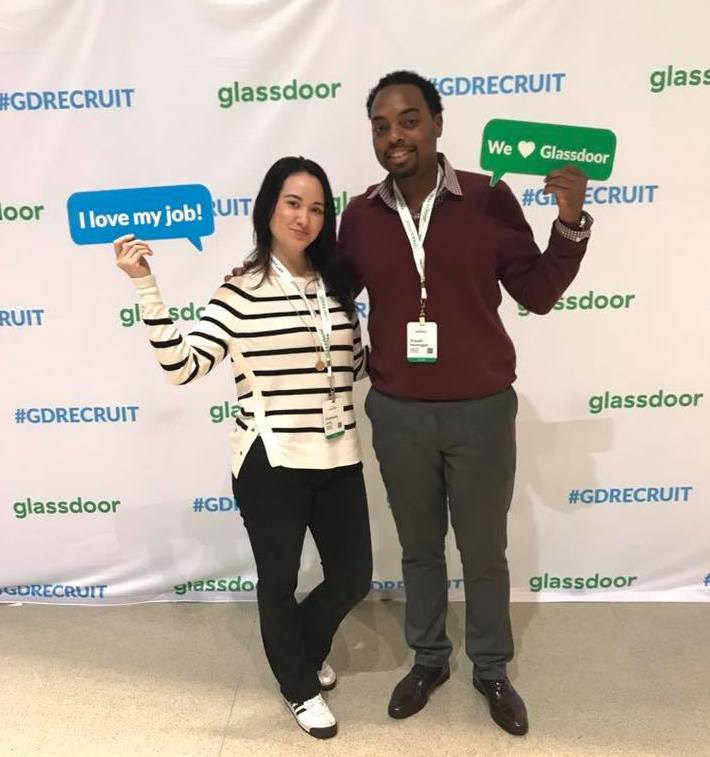
We reported to a servant leader, Brandon. Brandon was the Sales Director and Talent Development Director. He believed in giving us the tools to do our job and then, would encourage us to implement what we learned. Since Tranell and I were relatively new to talent acquisition, Brandon encouraged us to attend the Glassdoor Recruit Conference in Chicago.
At the conference, we learned that how a job posting is written and formatted can influence how many men vs. women are likely to apply. The more words, the more likely women are to apply. The more bullets, the more likely men are to apply. There’s also exclusionary metaphors, harmful language, and gendered phrases to watch out for.
Initiative
After attending the conference, Tranell and I shared with Brandon the idea of creating inclusive job descriptions. We proposed that we run all of our job descriptions through “Textio” – a software that scores existing job postings and makes suggestions on how to make them gender neutral. This would encourage more people to apply and we could potentially have access to more “A players” that we previously hadn’t considered.
Tranell would be responsible for running the California job postings through the algorithm and adjusting the language to make the postings more gender neutral. I would be responsible for the Colorado job postings.
Engage
Due to Toco’s value of inclusivity and Brandon’s decision making authority, Brandon was the only person we approached about this initiative. After discussing the initiative with him, he was bought in and said “go for it”.
It’s important to note that DEI initiatives are change management initiatives. Before pitching Brandon the idea, Tranell and I discussed the value and business impact of making our job descriptions more inclusive, who would support the idea, who had decision making authority, and how much resistance we might face and from who. We anticipated little resistance, we recognized the potential upside for our Sales and Talent Development departments, and we knew Brandon had the power, authority, and clout to support the change.
Outcome
As a result of making our Sales job postings more inclusive, we saw a 10% increase in female applicants, which increased the number of women on our sales floor. We were able to retain the women because Toco already had a diverse population of employees and an inclusive environment.
Since working on this initiative in 2018, there are some lessons I’ve learned. If I were to work on a DEI talent marketing project and we were to use a software algorithm, I would look into the biases of the software algorithm. First, it’s now known that algorithms have biases embedded in them and therefore their use can perpetuate bias. Second, I have a deeper understanding of intersectionalities. The software that we used, Textio, gave us information on how to make our job postings gender neutral but we didn’t consider if the algorithm encouraged gender neutrality across race and ethnicity.

 Stephanie Lang