In college, I served on my sorority’s executive board. One challenge we faced were members posting social media content inconsistent with our sorority brand. This behavior resulted in social probation – a severe punishment in the UCLA Greek community. To prevent this from happening again, I guided 125 members to buy into a new vision: that each member is a sorority chapter ambassador.
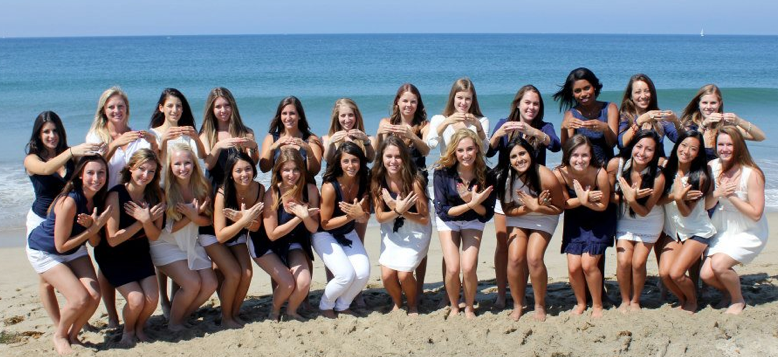
Looking at past attempts to encourage change, Headquarters’ communication focused on how a member’s post on Facebook directly reflects the sorority. I realized for this approach to work, there had to be a strong link between the individual and the sorority. In our chapter, this link was weak. Our members placed individual identity above their identification with the sorority.
Thus, I showed respect for the women as individuals to affirm their potential to change group behavior. I helped them explore the nature of perception, and how each person’s content defined their own reputation plus impacted the group by association.
Here’s what I did:
First, I shared examples of social media content that reflected our UCLA-sorority brand: images of people at social events, football games, and volunteering. I then asked our members questions:
- Based on the images, are these people you would want to spend time with?
- Do you think other people at UCLA would want to be friends with the people in the photos?
- If the people in the photos were in our house, how do you think other UCLA students would view our group?
- Is this how you would want other students to perceive our sorority?
Next, I shared examples of social media posts that did not reflect our sorority brand and asked the same set of questions.
After sharing and discussing the two sets of examples, I guided the women through dialogue. I explained that based on how they answered the questions, it seems that they agreed that our personal actions reflect our associations. I then invited members to share their thoughts on the topic.
I recall one member stating that since she was in college and discovering who she is, she should have the freedom to post anything on her social media. I reassured her and the members that as a sorority, we encourage growth and self-expression. To help members buy into this idea, I explained that this phenomenon extends beyond sorority life. I explained that today they are sorority women and UCLA students, so what they post in the virtual world reflects our chapter and school. In the future, their social media actions will reflect their family, business and professional reputation. At this point in the conversation, I began hearing “oh” throughout the room – they saw that this phenomenon would continue beyond collegiate life, and thus fully subscribed to the vision of a coordinated, unified effort. From that moment on, my sisters changed their social media behavior and the chapter did not experience probation or cancelled events for the rest of the year.

 Stephanie Lang